What is the capital of Iceland?
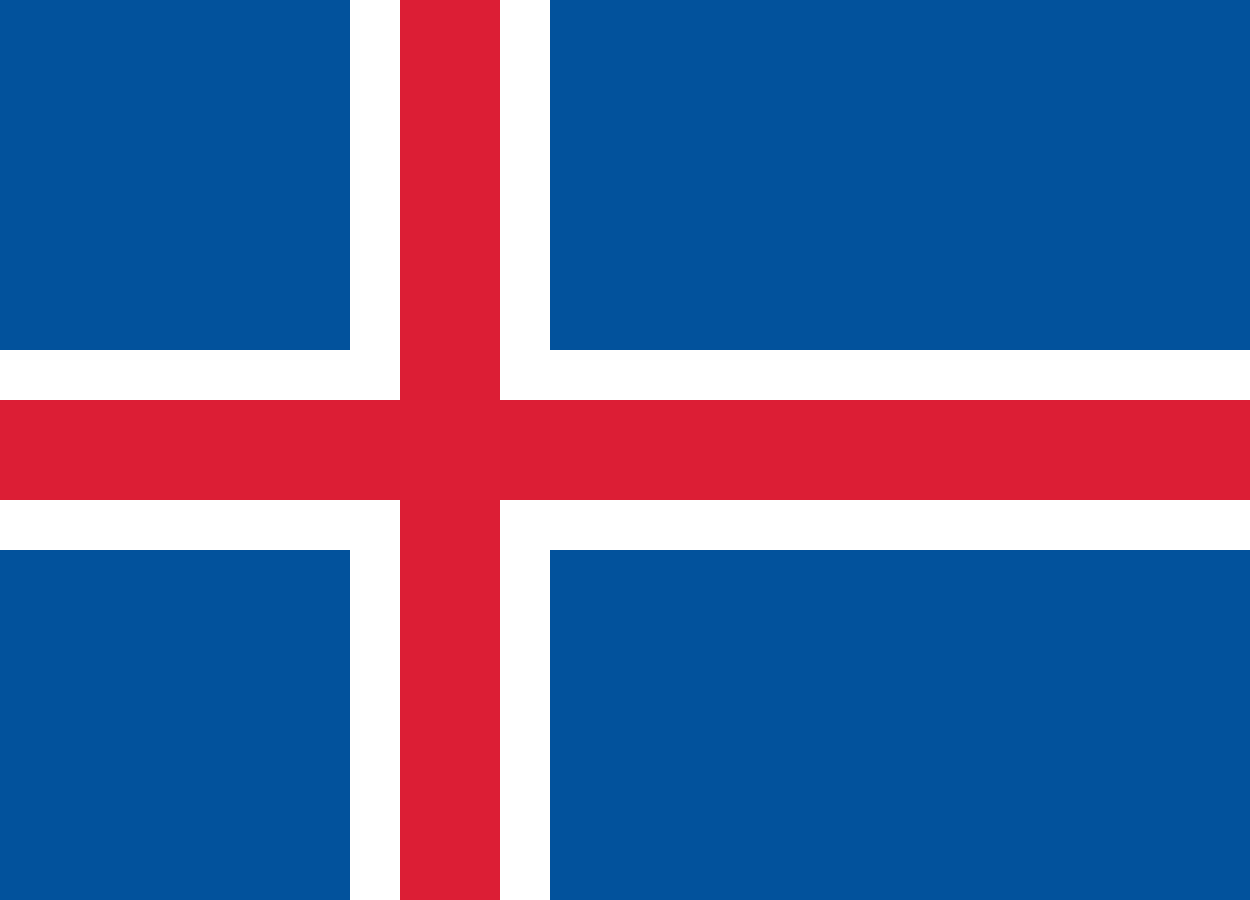
Reykjavik sits on the southern shore of Faxaflói bay in south-west Iceland, at latitude 64 degrees 08 minutes north.
Reykjavik is the capital and seat of government of Iceland. Iceland itself has an estimated population of 392,404 (2025).
Reykjavik is also the largest city in Iceland, which is the usual arrangement, though it is far from universal: see the countries where capital and largest city differ.
Reykjavik at a glance
| City population | 138,753 (2026) |
|---|---|
| Metropolitan area | 251,912 (2026, Capital Region) |
| Country | 🇮🇸 Iceland |
| Founded | 1786 |
| Largest city in Iceland | Reykjavik |
| Time zone | UTC+00:00 (GMT) |
| Currency | Icelandic króna (ISK) |
About Reykjavik
Reykjavik was granted market rights and officially founded as a trading town on 18 August 1786, more than 900 years after the site was first settled.
According to the Landnámabók, the settlement of Iceland began at Reykjavik, when Ingólfur Arnarson arrived from Norway in 874.
Reykjavik is the northernmost capital of a sovereign state anywhere in the world.
The Capital Region around the city is home to roughly 64 percent of Iceland's entire population.
The city is consistently ranked among the cleanest, safest and most environmentally friendly cities in the world.
City facts sourced from Wikipedia: Reykjavík.
Frequently asked questions
What is the capital of Iceland?
Is Reykjavik the largest city in Iceland?
What is the population of Reykjavik?
Where is Reykjavik located?
What time zone is Reykjavik in?
What currency is used in Reykjavik?
See the full profile of Iceland on its country page, or browse every capital city.
Capital and country data from open datasets; city and metropolitan populations are hand-curated per city and cited where they are shown. Populations of countries come from the World Bank (SP.POP.TOTL). Full sources and vintage on the data page. Last updated . Report a correction.